
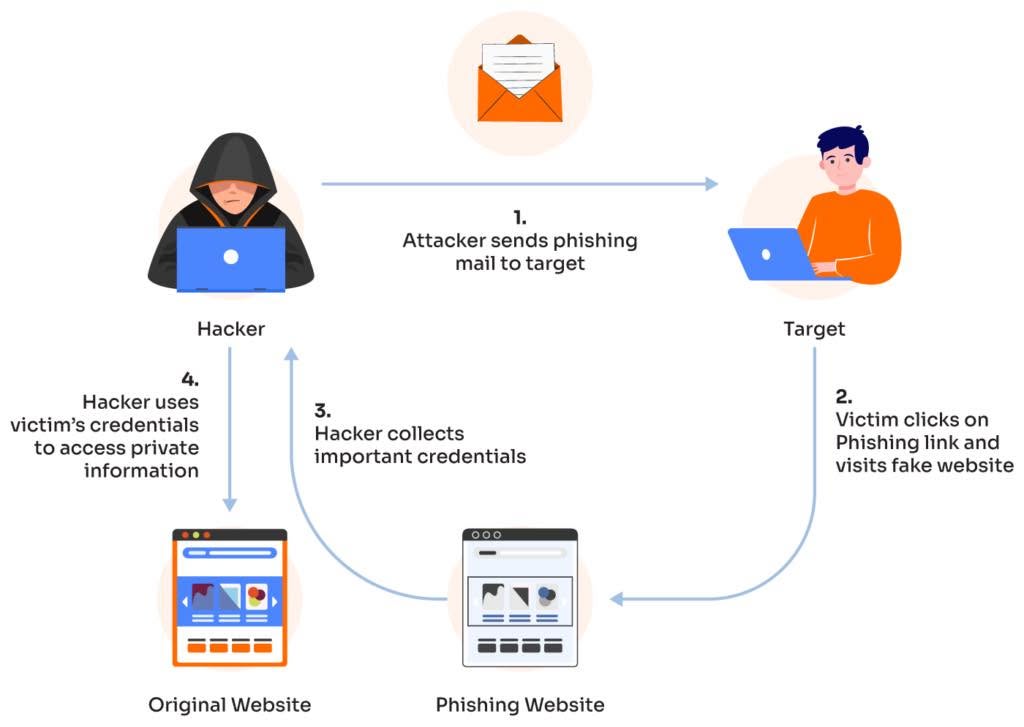
This review paper represents a notable milestone for the student authors, marking their very first entry into academic publishing under the curriculum of a Research Methodology course at the Cambodia Academy of Digital Technology (CADT). The study focuses on phishing, which remains one of the most persistent and damaging cyber threats globally, exploiting human psychological vulnerabilities rather than technical system flaws. Modern attack campaigns have evolved far beyond simple email scams, expanding into multi-channel vectors such as SMS phishing (smishing), voice phishing (vishing), and highly convincing social media impersonations.
A Student Perspective on Neural Networks and Behavioral AI
Through their coursework, the student researchers analyzed the limitations of traditional, reactive countermeasures like static domain blacklists and basic heuristic spam filters. While classical machine learning classifiers like Random Forest and Support Vector Machines (SVM) offer improved detection rates, they often struggle with high false-positive rates and require massive annotated datasets. As an alternative, the paper reviews hybrid frameworks centered on Autoencoder-based Deep Neural Networks (DNNs). These neural networks learn normal data patterns to identify structural and behavioral anomalies in real-time, providing a more scalable and context-aware defense.
Bridging the Technical and Human Dimensions
A key takeaway from this introductory research is that building a resilient security posture requires looking beyond purely technological solutions. Defensive strategies must integrate technical filters such as DMARC domain verification and Natural Language Processing (NLP) for content analysis with specialized user-awareness training. Educational initiatives must evolve from rigid, rule-based instructions to behavioral interventions that help users recognize emotional manipulation under pressure. Exploring these multi-layered defense mechanisms has provided the student team with invaluable foundational research skills, laying a strong groundwork for future academic and professional pursuits in cybersecurity.